Corn Tortillas at Home: Read the Masa Before You Press
A culturally grounded corn-tortilla guide using masa harina: a clear starting ratio, edge test, dry-griddle method, substitutions, allergens and safe storage.
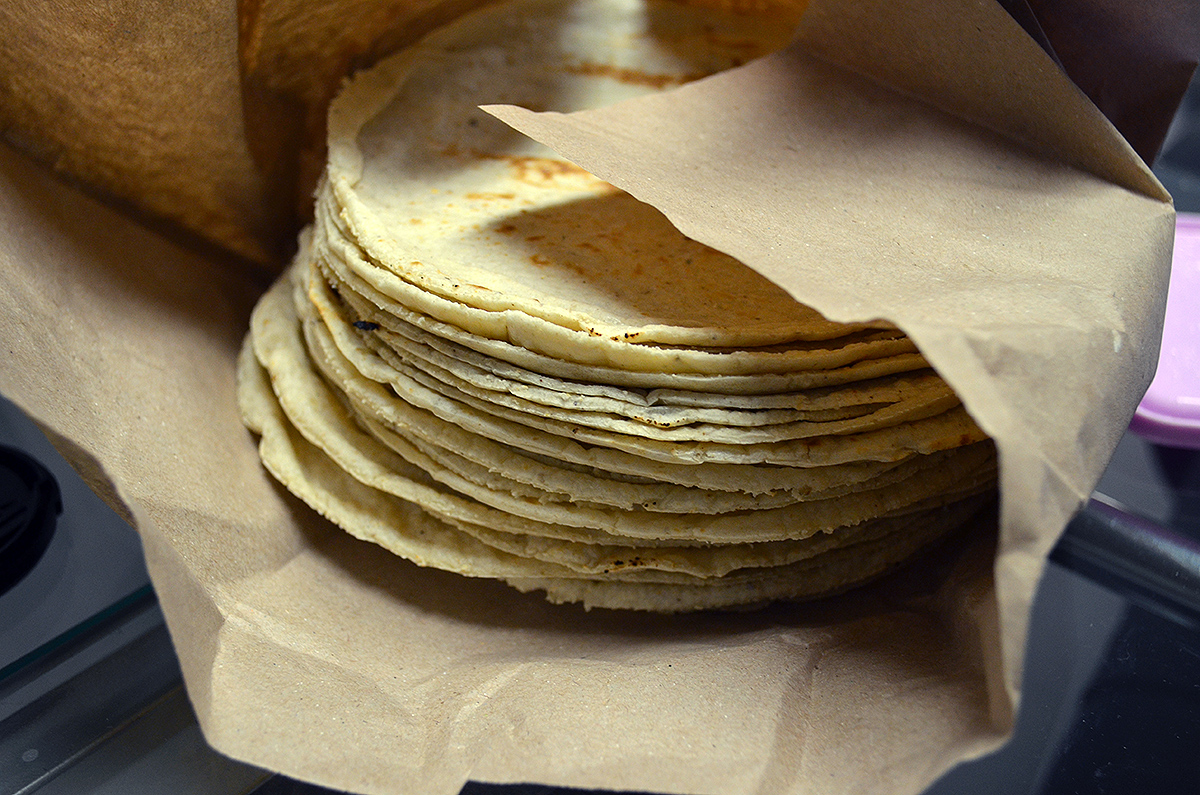
A corn tortilla is not merely a wrapper. UNESCO places corn tortillas and tamales inside the everyday and ceremonial fabric of traditional Mexican cuisine and names nixtamalization among its community-held techniques.
This is a practical home method for dried masa harina, not a single definitive Mexican formula and not a replacement for fresh masa from a tortillería. Brand, climate and altitude change absorption, so the water is a starting point and the edge of the pressed disc is the better test.
Nixtamal is context, not a marketing adjective
UNESCO describes Mexican cuisine as a chain from farming and harvest through cooking and eating, with corn, beans, chilli and nixtamalization at its core. For this method, look for masa harina or harina de maíz nixtamalizado—not cornstarch, coarse cornmeal or polenta.
We are not nixtamalizing whole corn here. We rehydrate flour made from corn that has already undergone that process. Saying so keeps cultural history separate from the convenient home method.
The dough speaks before the pan
Mix with warm water, cover and rest for 20 minutes. A small ball pressed between your palms should flatten without deep edge cracks and without smearing like paste. Cracks usually ask for more water; severe sticking asks for rest or a little more masa harina.
Add water one tablespoon at a time. Aim for soft modelling clay, not a firm bread dough. Portion before heating the pan and keep the balls under a barely damp towel.
Pressure sets thickness; heat builds steam
Press between two sheets of baking paper or a clean food bag cut open. Press gently, rotate and press again. A flat heavy pot works if you do not own a press; the tool improves consistency but does not confer authenticity.
Heat a dry comal or heavy pan over medium to medium-high. Cook about 40–60 seconds until the edge looks dry, flip, then flip once more to encourage pockets of steam. Times are cues, not promises: pan, burner and thickness matter. Light brown freckles are welcome; smoke and bitterness mean the heat is too high.
The towel is part of the texture
Move each tortilla straight into a clean towel in a covered basket or bowl. Trapped steam redistributes moisture and preserves flexibility. An uncovered cooling rack is useful for crisp food, not tortillas meant to fold.
Serve warm. Cool leftovers promptly, seal and refrigerate within two hours—or one hour above 32°C/90°F. Reheat only what you need on a dry pan or under a barely damp towel in the microwave.
Twelve small home corn tortillas
A starting ratio for dried masa harina. Follow the package when it differs and adjust by feel rather than treating the water as absolute.
- Time
- 45 minutes
- Yield
- 12 tortillas
- Level
- Moderate
Ingredients
- 240 g (about 2 cups) nixtamalized masa harina—not cornstarch
- 330–360 ml warm water; begin with less
- ½ tsp fine salt
- Extra water, 1 tbsp at a time if needed
- Baking paper or a clean food bag for pressing
Method
- 01
Mix masa harina and salt. Add 330 ml water gradually and knead for two minutes until no dry pockets remain.
- 02
Cover and rest 20 minutes. Press a small test piece: add a tablespoon of water for deep cracks; rest or add a spoon of masa if it smears.
- 03
Divide into 12 equal balls, about 47–50 g each, and keep covered.
- 04
Heat a dry comal or heavy pan. Press each ball between liners into an even thin round and peel away gently.
- 05
Cook 40–60 seconds, flip for 45–60 seconds, then flip once more for 15–30 seconds until brown spots form and some areas puff. Lower heat if it blackens before the edge dries.
- 06
Stack immediately in a clean towel and cover. Serve warm; cool and wrap leftovers before refrigeration.
Substitutions that keep the context
- Do not swap in untreated cornmeal or polenta; they will not behave the same. Choose a pack that states nixtamalized corn.
- Blue, white and yellow masa may absorb differently. Keep the edge test rather than a rigid ratio.
- Without a press, use a flat heavy pot between liners. A rolling pin can work but often creates uneven thickness.
Allergens and labels
- Corn is not one of the FDA's nine major allergens, but individual corn allergy exists. Read the pack.
- Facilities may also handle wheat or soy. For gluten avoidance, a corn ingredient alone is not enough: check certification and cross-contact statements. Fillings can add dairy, wheat, soy or sesame.
Preparation and storage safety
- Use potable water, clean surfaces and food-safe liners.
- Keep dough covered and cook it in the same session; follow any pack-specific handling instruction.
- Refrigerate leftovers within two hours, or one hour above 32°C/90°F.
- Treat meat, cheese and salsa fillings under their own safety rules; smell is not a reliable safety test.
Sources and verification
Checked 22 October 2026 against UNESCO's Mexican-cuisine record, USDA time guidance and the photograph's licence page. Quantities and adjustments are an editorial home test, not a universal definition of Mexican tortilla making.
Two tools for cooks who repeat the method
General search links with no retailer images, prices or availability claims.
Helps produce even thickness; a flat heavy pot remains a workable substitute.
Search Amazon.sa ↗02Flat cast-iron griddleProvides a steady dry surface for batches; use your existing compatible pan first.
Search Amazon.sa ↗As an Amazon Associate I earn from qualifying purchases.